AI
Tool, mirror, imposition. What machines can do, and why they still need us.


The Duty Nobody Read
Since February 2025, EU law has required employers to look after their staff’s AI literacy. Brussels has already softened the wording. The paragraph was never the point.

The machine does not pay income tax
AI, work and a fair share: why revenue, profit and paid learning time need separate answers in the AI tax debate.
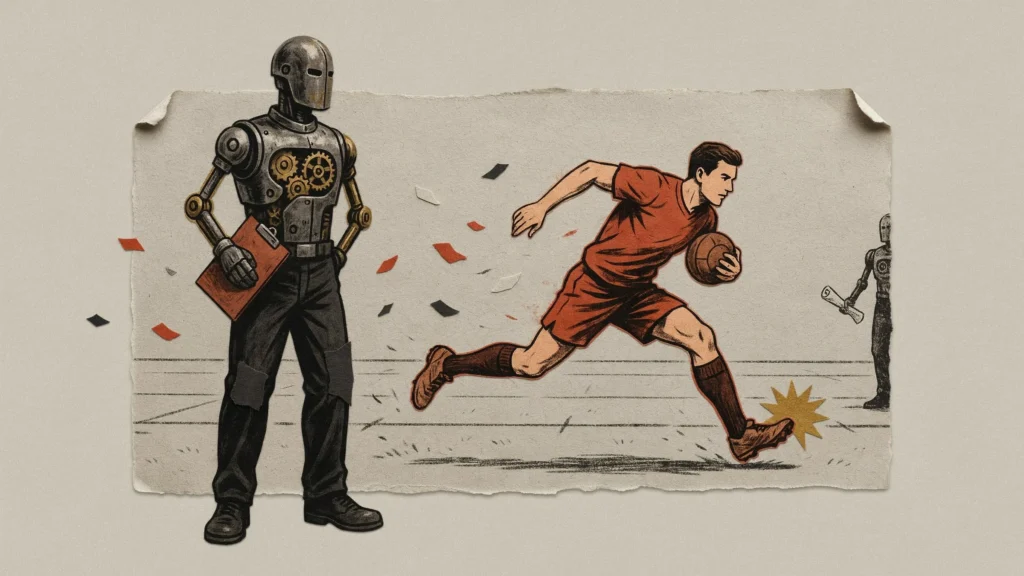
Who Thinks When the Machine Thinks?
AI can raise the level of almost any piece of work. The catch: whoever stops thinking for themselves loses the very skill needed to check the machine.
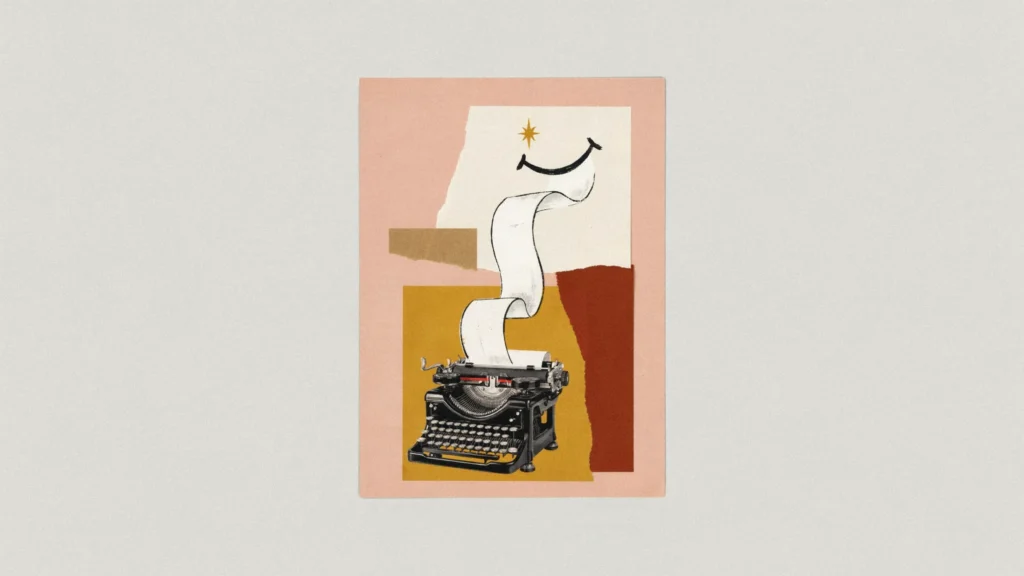
The Machine Told a Joke
Software now writes jokes that strangers rate funnier than most people’s. What it cannot do is decide whether this is the moment for one.
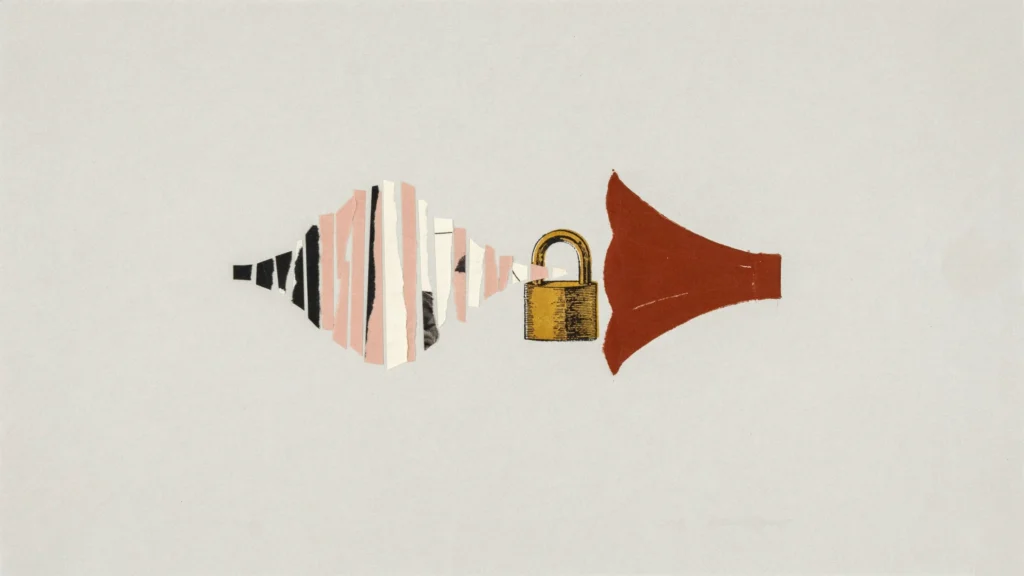
Who Owns Your Voice?
A few seconds of audio can now become a voice that says anything. On three continents, the law’s answer is converging on one word: consent.