Leading essay · Issue 2027
When in doubt, just begin.
What remains when everything changes? An almanac for 2027: on money that keeps us up at night, machines that write, and people who begin anyway.

Contents
Six chapters, one issue. Every text to read, to hear, and as a song. In English and German.
- IFutureNo forecasts. Scenarios you can get up for in the morning.
- IIMoneyFinancial health, worldwide. Money worries are not a private matter.
- IIIAITool, mirror, imposition. What machines can do, and why they still need us.
- IVChangeLost job, new start, second half. Notes for everyone standing in between.
- VCultureHow we live together while old certainties take a break.
- VIDesignForm is an attitude. On things that are well made, and why we feel it.

How vulnerable are we?
Around the world, region by region, and in three focus countries: how many people could not cope with an unexpected bill.
Measures differ by source and are not directly comparable. The World Bank did not survey high-income countries on this in 2024, so North America, Western Europe and Oceania appear through Germany, the USA and Japan.
Six frames, one thought

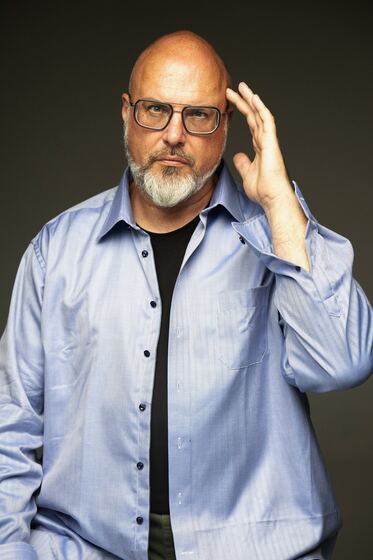

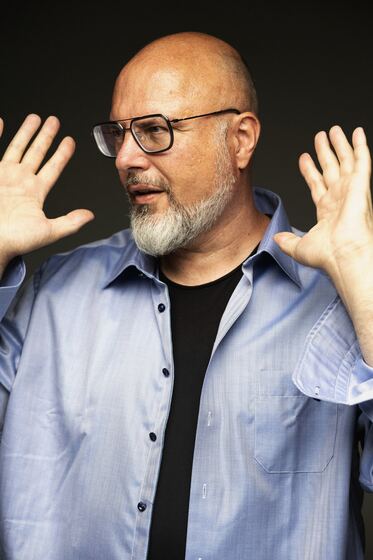

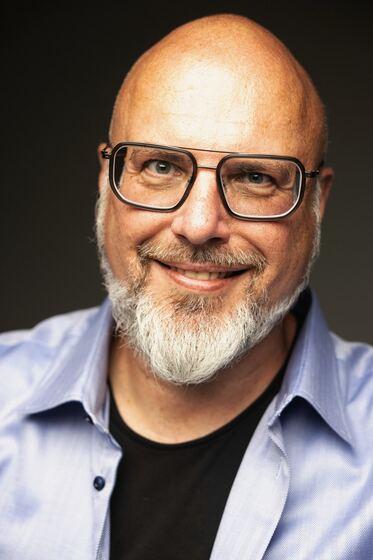

A face is never just one expression. Between two frames, a thought changes its mind.

The author
Not finished yet.
A school scholarship at IBM at eleven, long before the internet was a word. A city magazine of his own before his final exams. Later direct marketing for Microsoft, Quelle and Condé Nast, and in 1996 one of Germany’s first digital agencies.
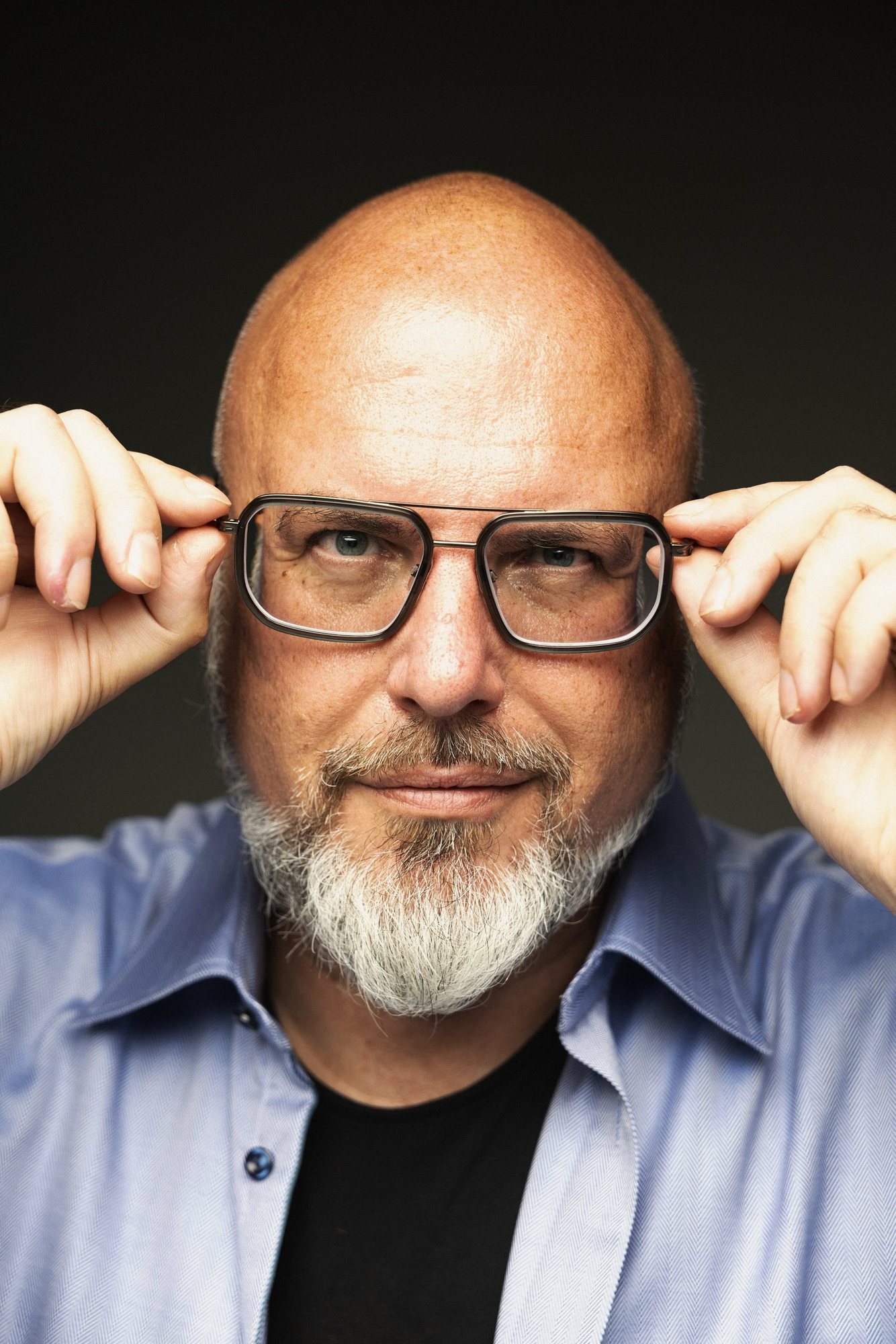
Today Sascha Schulz writes about what comes next: a future you can live with, money without shame, machines and the people beside them. Two passions have stayed: writing and photography.
A private project. Nothing is for sale here.
Latest
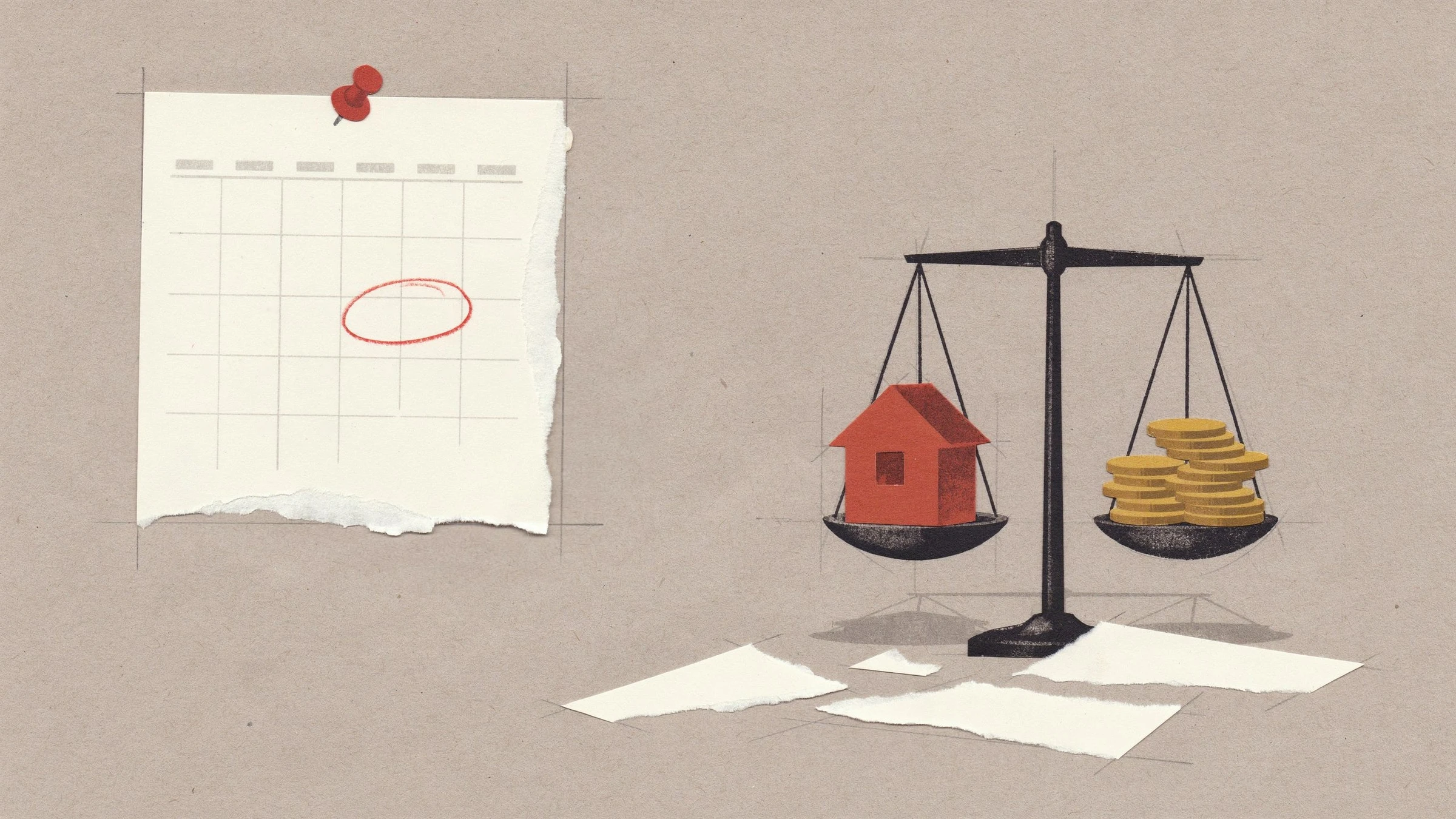
A Target for 2030
Financial health becomes politics only when it has a number and a year. The Netherlands has both. Germany, the United States and Japan are still counting.
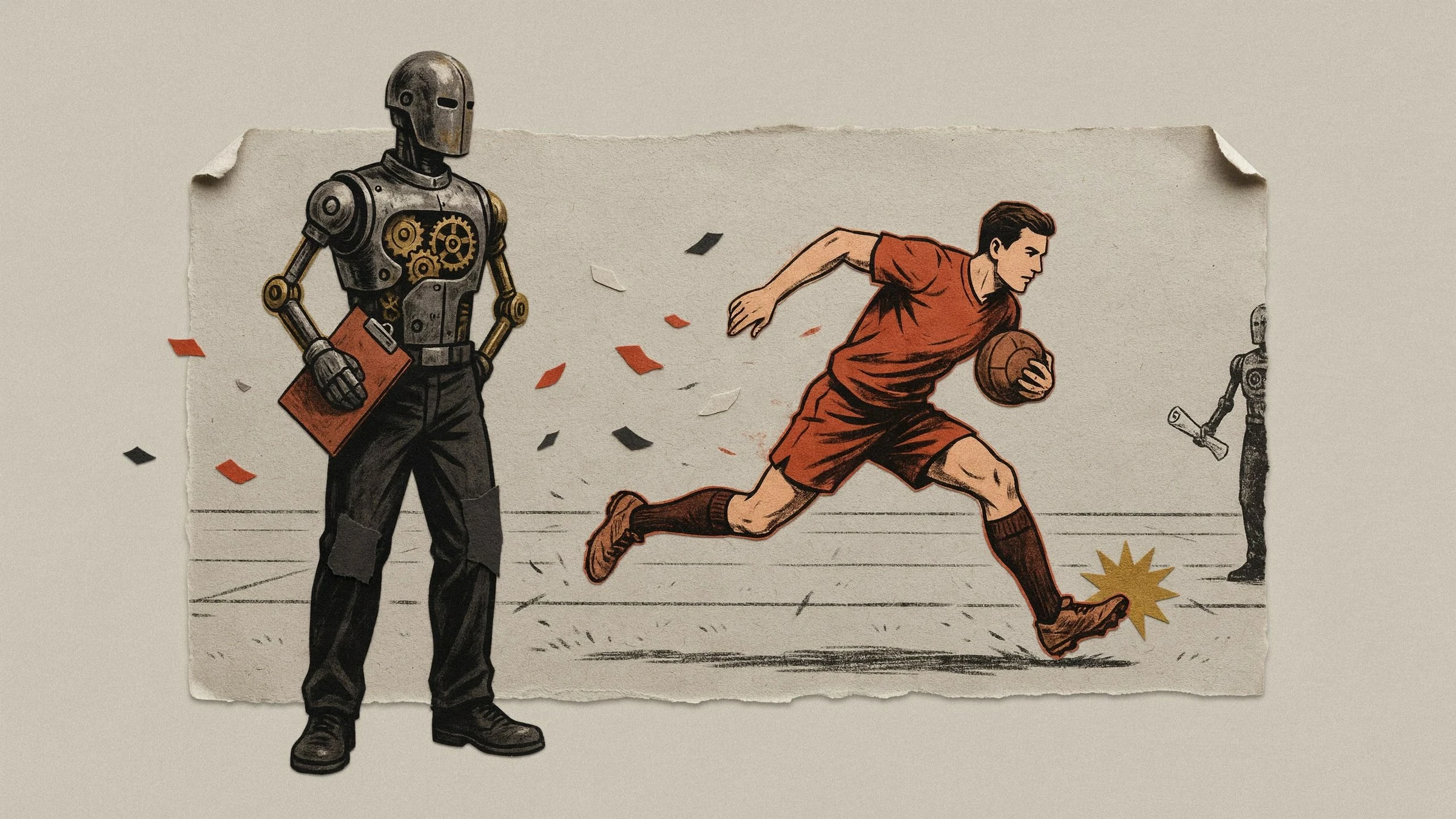
Who Thinks When the Machine Thinks?
AI can raise the level of almost any piece of work. The catch: whoever stops thinking for themselves loses the very skill needed to check the machine.

Live longer. Speak more openly.
Old-age poverty in Germany, the EU, Asia and the US. Understand irregular work, business exits and the cost of a longer life, with examples, FAQ and glossary.
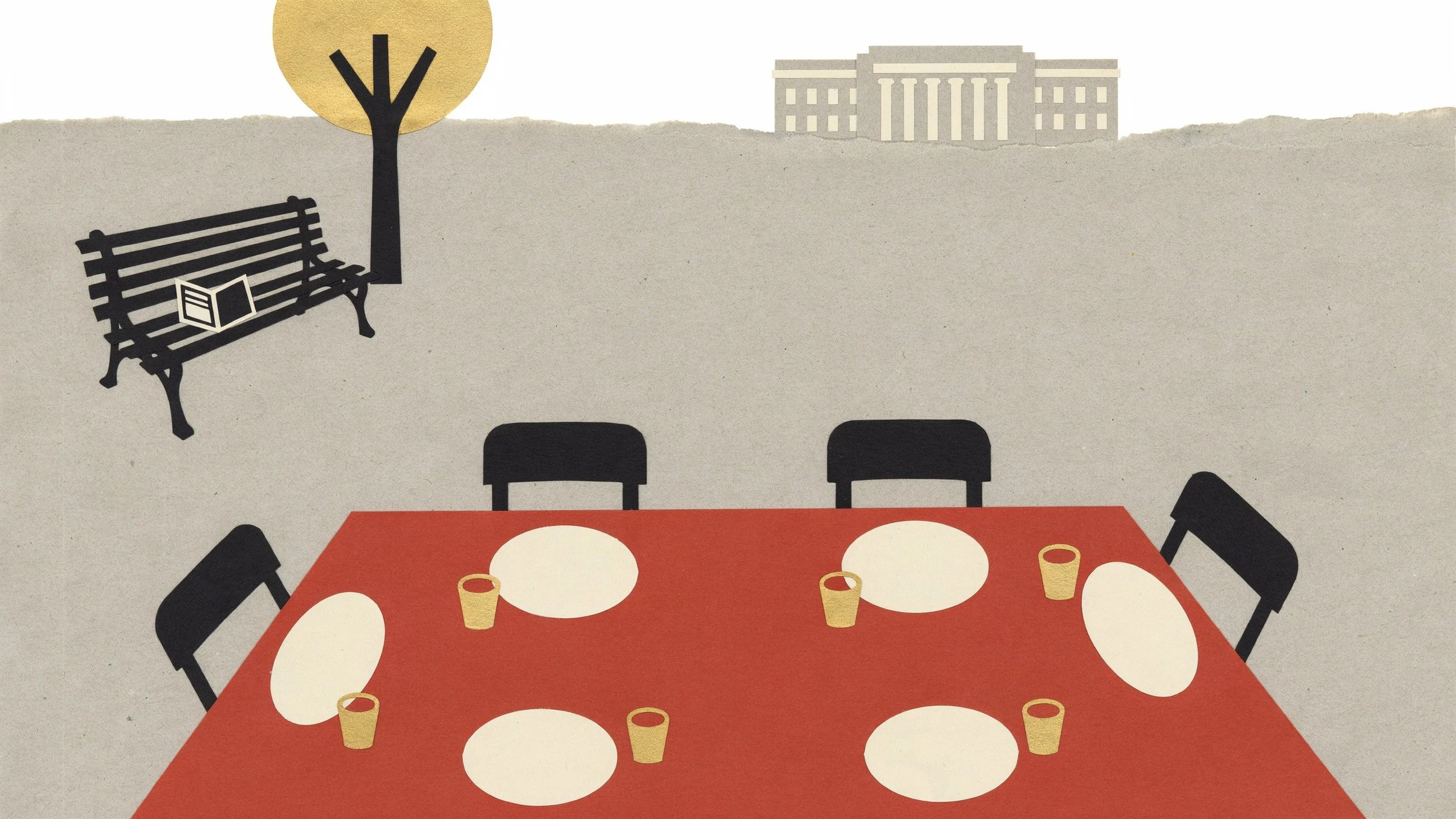
Happiness Is Not on the Ballot
Governments appoint ministers for happiness and sort budgets by wellbeing. The data show where happiness is actually made: at the table, on the square, in trust between strangers,…
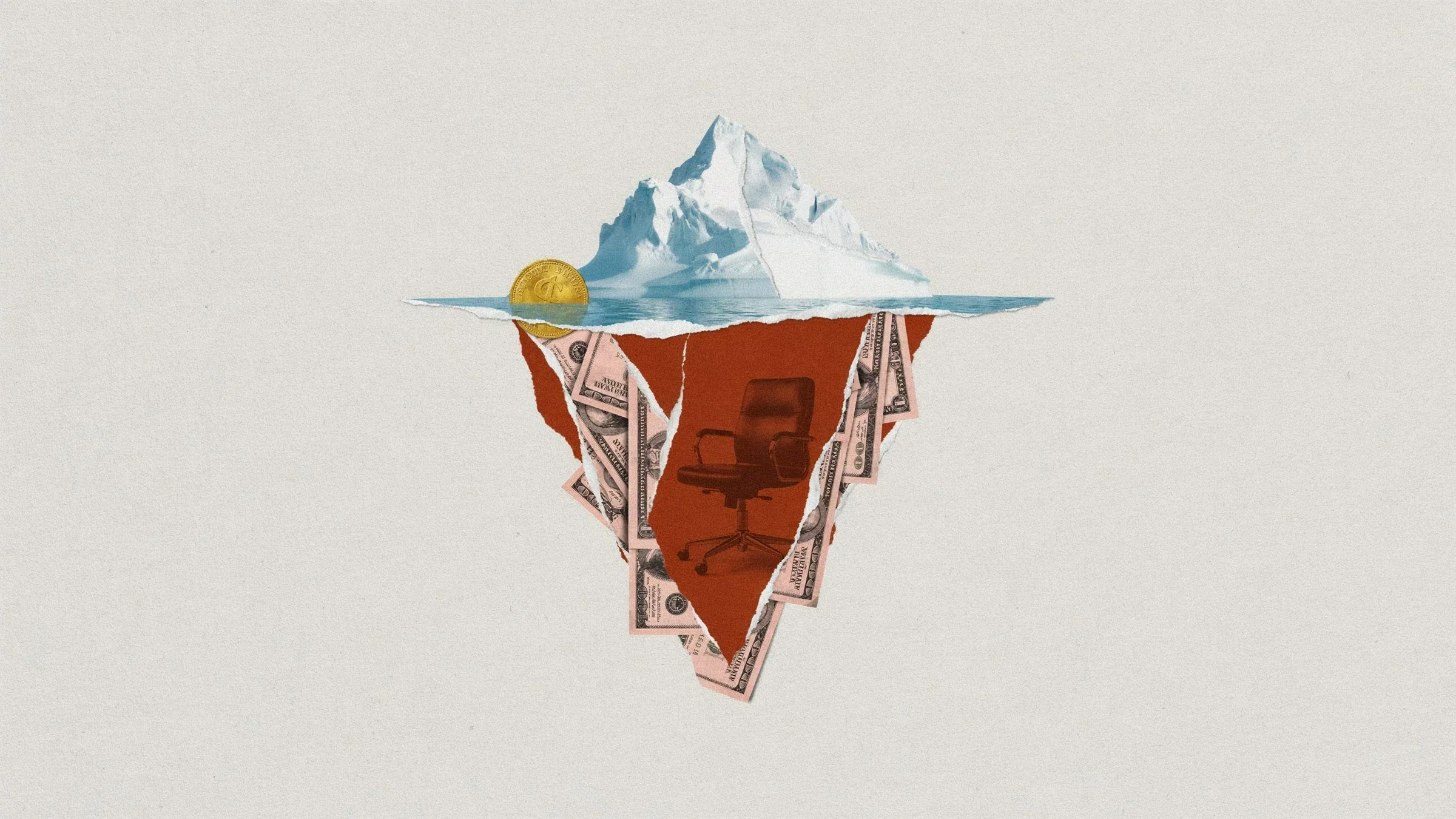
The Invisible Bill
Money worries are treated as a private matter. Everyone pays for them anyway: employers, health systems and the state. The United Nations calls the remedy financial health.
Form Is an Attitude
A well-made object tells you how long its maker expected you to keep it. The world’s growing heap of e-waste suggests we have stopped listening.

